
Is an ARM the Right Move? Navigating Today’s Adjustable-Rate Options.
As the 2026 spring homebuying season swings into high gear, the conversation around the dinner table has shifted. It’s no longer just about where to buy, but how to afford it.
With 30-year fixed rates hovering around 6.46% as of early April 2026, many buyers are looking for a side door into homeownership. That door is the Adjustable-Rate Mortgage (ARM). If you’ve heard the term but aren’t sure if it’s a brilliant move or a risky gamble, here is everything you need to know.
What Exactly Is an ARM?
Unlike a standard fixed-rate mortgage where your interest rate is locked in for the full 30 years, an ARM is a "hybrid" loan.
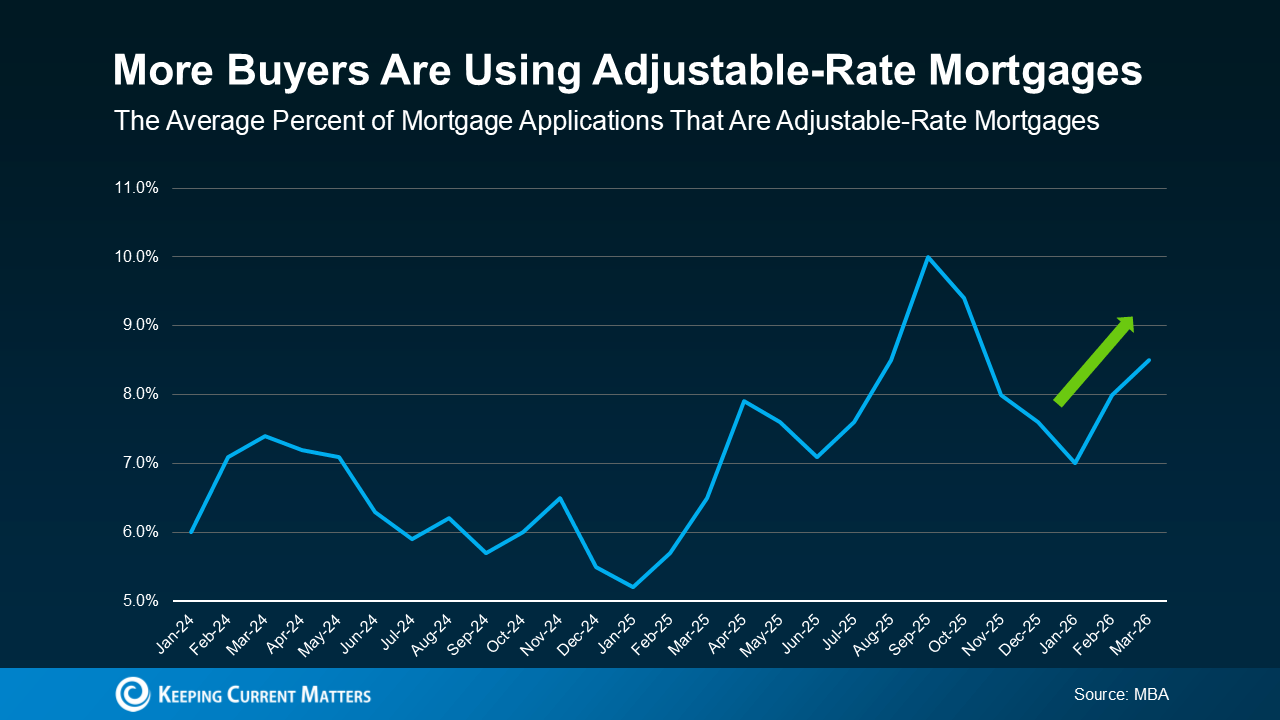
The Fixed Period: You start with a set interest rate for a specific number of years (usually 5, 7, or 10).
The Adjustment Period: After that, the rate fluctuates based on the market. If rates go up, your payment goes up. If they drop, your payment could actually go down.
The 2026 Reality: Right now, some 5/6-month ARMs are sitting around 5.62%—nearly a full percentage point lower than the 30-year fixed. On a $400,000 loan, that’s a difference of roughly $200 per month.
Why ARMs are Making a Comeback
In today’s market, ARMs aren't just for risk-takers; they are a strategic tool for affordability.
Lower Upfront Payments: The "teaser" rate allows you to qualify for a larger loan or simply keep more cash in your pocket every month.
Increased Purchasing Power: In a market where home prices have remained stubbornly high, that lower initial rate might be the only thing that gets your "Debt-to-Income" ratio where it needs to be for a bank approval.
Modern Safety Nets: Unlike the loans of the 2008 era, today’s ARMs come with "Caps." These are legal limits on how much your rate can rise in a single year and over the life of the loan.
The Comparison: Fixed vs. Adjustable (April 2026)
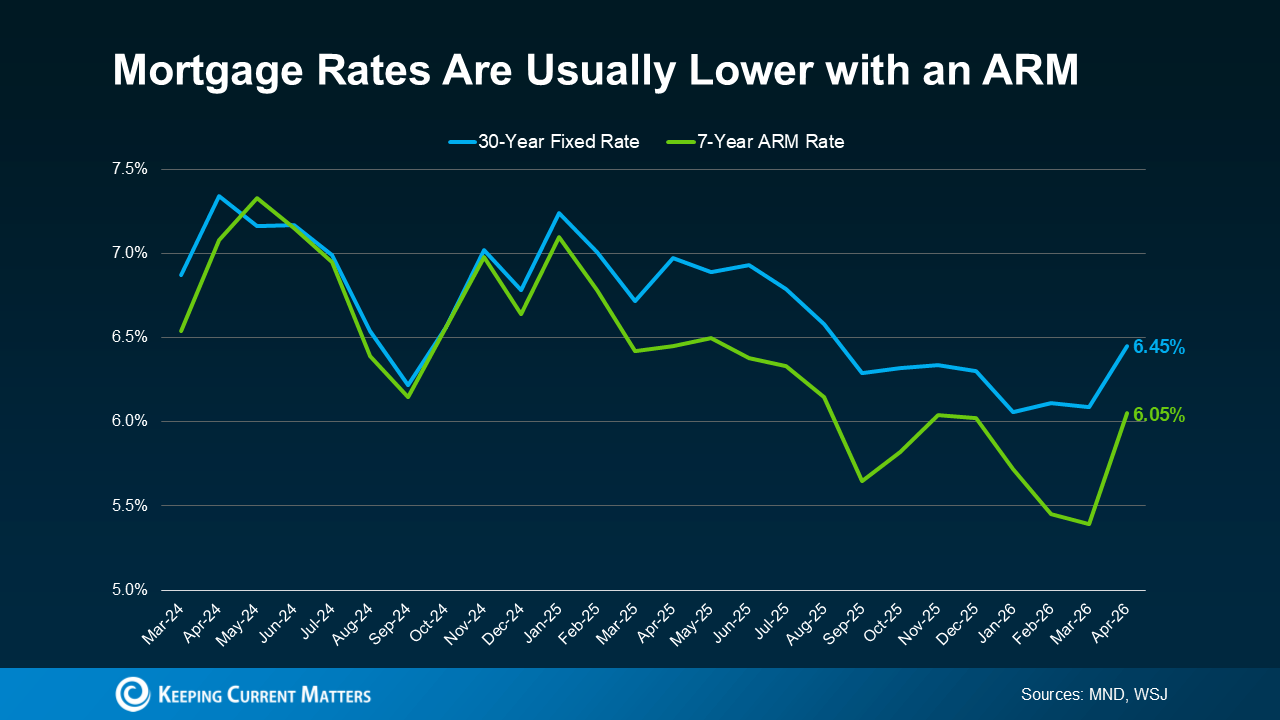
The 30-year fixed-rate mortgage is ideal for "forever home" buyers seeking permanent stability, as the rate remains locked regardless of market shifts. Conversely, 5/1 or 5/6 ARMs cater to short-term owners by offering a lower initial rate—typically 5.6% to 6.3% compared to the 6.4% to 6.7% seen on fixed loans. While an ARM provides immediate savings and five years of stability, it carries a higher refinance risk once the rate begins to vary, whereas fixed-rate borrowers enjoy the luxury of only refinancing when they choose to.
Is an ARM Right for You?
This isn't a "one-size-fits-all" product. An ARM generally makes sense if you fall into one of these three camps:
The "Short-Timer": You know you’ll be moving or upgrading in 5 to 7 years. Why pay a premium for a 30-year lock you’ll never use?
The "Career Climber": You expect your income to grow significantly before the fixed period ends, making a potential payment hike easy to handle.
The "Strategic Refinancer": You’re betting that rates will drop in the next few years, allowing you to refinance into a fixed loan later while enjoying the savings now.
The Bottom Line
ARMs are a powerful tool to fight 2026's affordability crunch, but they require a plan. You shouldn't just hope for the best; you should know exactly what your "max payment" would be if the rate hits its lifetime cap.
Ready to see the math for your specific budget? Reach out to a trusted lender to run the numbers on both options before you head out to your next open house.
