

Navigating the Waves: How to Secure the Best Mortgage Rate in a Volatile Market
Mortgage rates have been acting a bit like a rollercoaster lately. If you’re planning to buy a home, that back-and-forth movement can feel a bit unsettling. However, while you can't control the market, you can control your strategy.
To get the best possible deal in today’s environment, you need to filter out the noise and focus on the factors within your reach. Here is how to navigate the bumps and come out ahead.
Understanding the "Why" Behind the Wiggles
Recent data from Freddie Mac shows that after a period of cooling, rates have seen some upward movement recently. It’s important to keep perspective: volatility is normal.
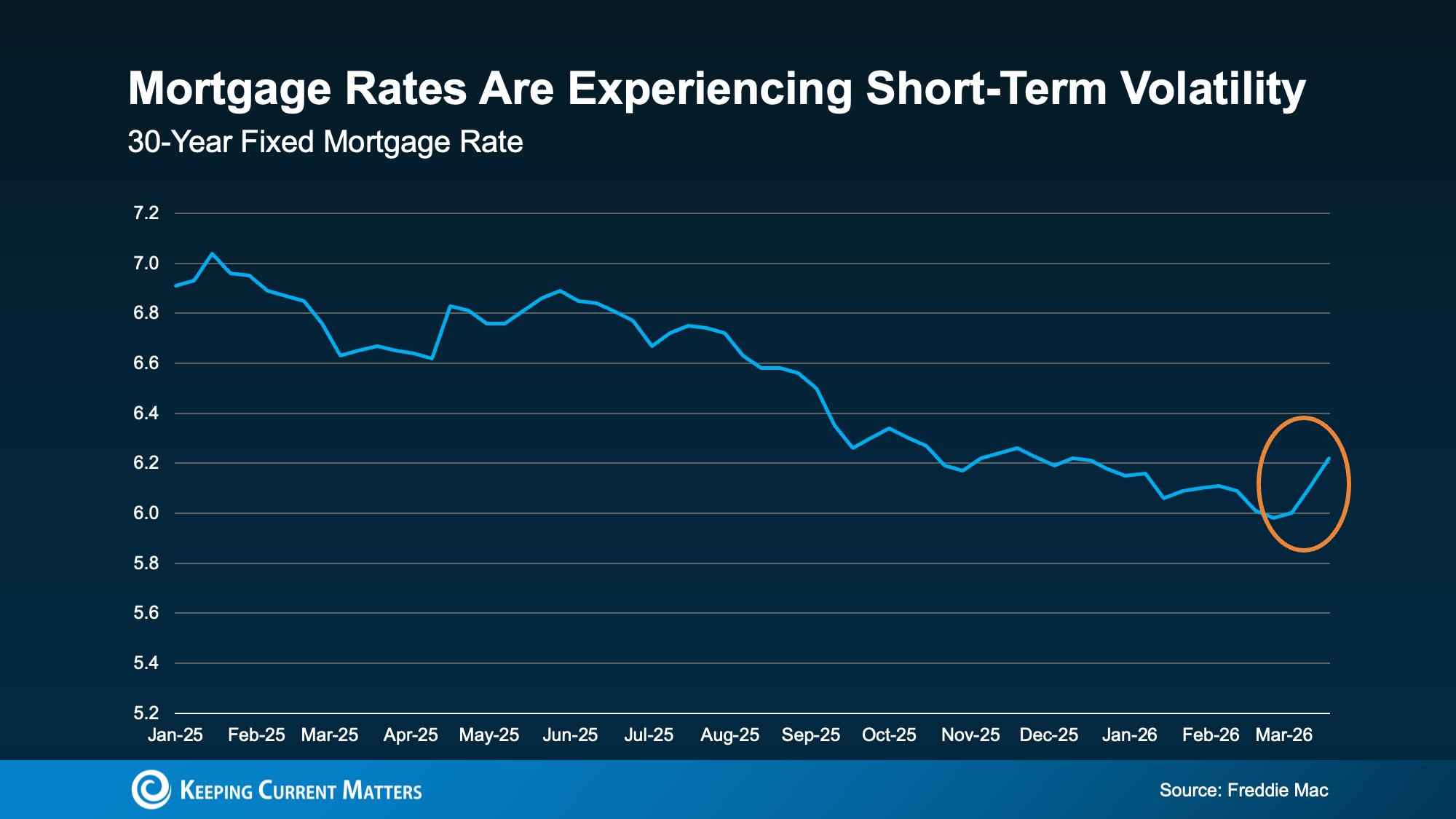
Rates don't move in a straight line. They react to economic shifts, inflation reports, and global events. As Investopedia notes, mortgage costs are highly sensitive to "geopolitical developments." As long as there is uncertainty in the world, rate swings will likely continue.
The Takeaway: Trying to "time the market" to hit the absolute bottom is a gamble that rarely pays off. Instead of watching the ticker, watch your own preparation.
Focus on the "Controllables"
You can’t dictate what the Federal Reserve does, but you can influence the specific rate a lender offers you. Focus your energy on these three pillars:
1. Your Credit Health
Your credit score is arguably the biggest lever you can pull. A higher score signals lower risk to a lender, which they reward with lower interest rates.
The Impact: Even a 20-point bump can save you thousands of dollars over the life of your loan.
Next Step: Check your report for errors and consult a loan officer on how to polish your score before you apply.
2. Your Loan Program
Not all mortgages are created equal. Depending on your background and the home's location, you might qualify for different "buckets" of loans:
Conventional: The standard option for those with solid credit and a down payment.
FHA: Often better for lower credit scores or smaller down payments.
VA/USDA: Specialized loans for veterans or rural buyers that often carry very competitive rates.
3. Your Loan Term
The length of your "repayment runway" changes your rate. While the 30-year fixed-rate mortgage is the most popular due to its lower monthly payments, a 15-year or 20-year term typically offers a significantly lower interest rate.
The Bottom Line
Market volatility is a constant, but it shouldn't be a dealbreaker. The secret to buying in today's market isn't predicting the future—it's maximizing your personal financial profile.
By working with a trusted lender to explore different terms and loan types, you can ensure that even if the market is bumpy, your path to homeownership stays smooth.
